How Artificial Intelligence Is Changing Medicine

Artificial intelligence (AI) may sound like something from science fiction, but it is already becoming a powerful partner in modern medicine. In simple terms, AI refers to computer systems that can learn from data, recognize patterns, and make predictions. In healthcare, this ability is helping doctors work faster, more accurately, and more personally than ever before—sometimes in surprising ways.

One of the most familiar impacts of AI is in diagnosis. Doctors rely heavily on medical images such as X‑rays, MRIs, and CT scans. AI systems trained on millions of images can spot early signs of disease, sometimes catching subtle details that are easy for the human eye to miss. This has been especially helpful in detecting cancers, strokes, and eye diseases at earlier stages.

AI is also advancing personalized medicine. By analyzing medical records, genetic information, and lifestyle data, AI can help doctors predict which treatments are more likely to work for a specific patient. This moves healthcare away from "one-size-fits-all" treatments toward care tailored to each individual.

Beyond these expected uses, AI is influencing healthcare in ways you might not expect. For example, AI is helping hospitals predict patient flow—forecasting how many people are likely to arrive in the emergency room on a given day.

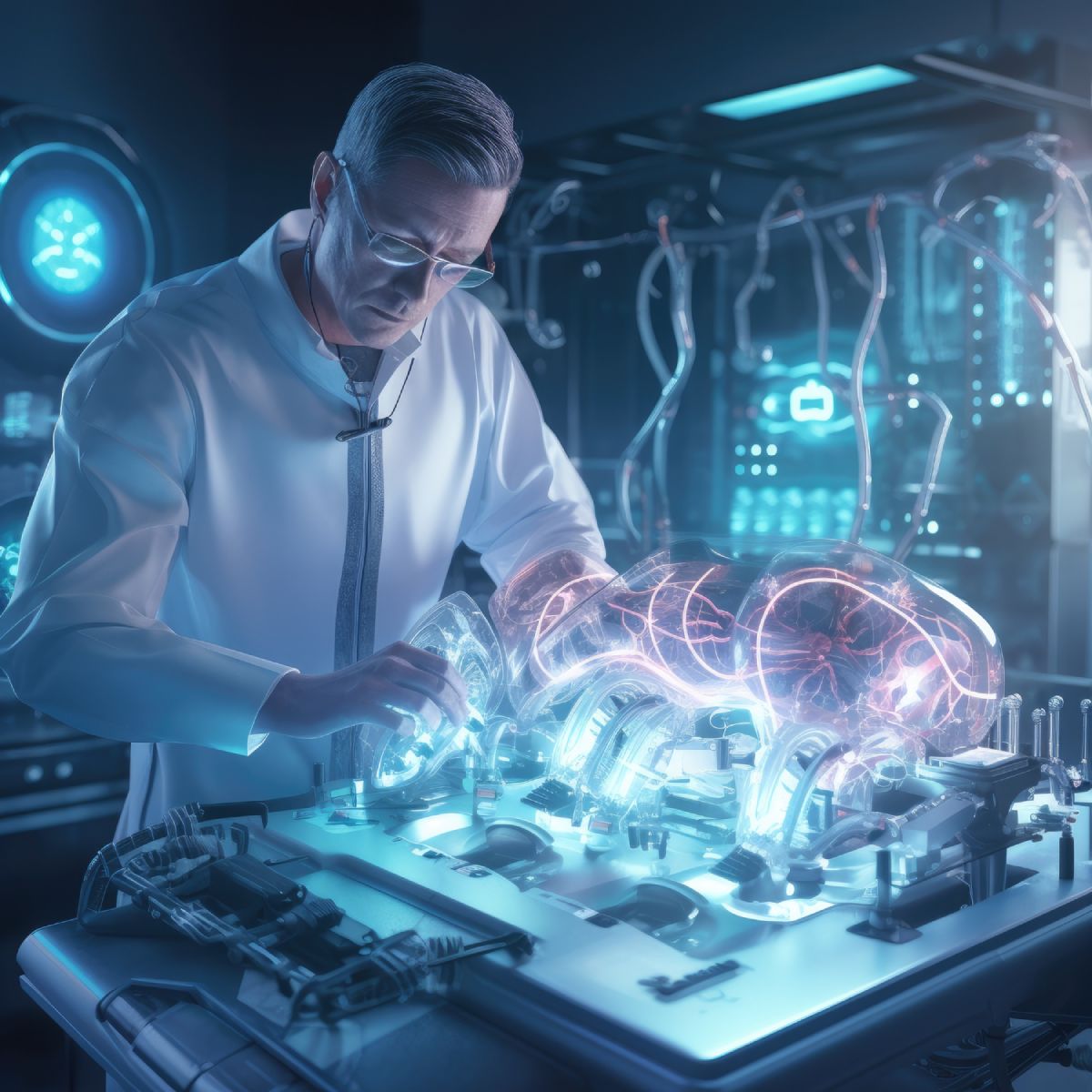
This allows hospitals to staff more effectively, reduce wait times, and improve patient experiences without directly touching medical care.

Another surprising area is mental health. AI-powered tools can analyze speech patterns, word choice, or even typing speed to detect early signs of depression or cognitive decline. Some apps provide emotional support or coping exercises, offering help to people who might otherwise hesitate to seek care.

AI is even being used in research for drug discovery. Instead of taking years to test thousands of chemical compounds, AI can rapidly identify promising drug candidates, significantly speeding up the development of new treatments. This approach gained attention during the COVID‑19 pandemic and continues to reshape pharmaceutical research.

Administrative work is also being transformed. AI can automatically summarize doctor-patient conversations, flag missing information in medical records, and reduce paperwork—giving healthcare professionals more time with patients.

Of course, these advances come with challenges. Privacy, data security, and bias must be carefully managed, and AI systems need constant oversight. Importantly, AI is not replacing doctors. Instead, it acts as a powerful assistant, supporting human expertise.

In both obvious and unexpected ways, AI is reshaping healthcare—making it more efficient, more personalized, and, ultimately, more humane.
Living your best life is about feeling good inside and out and I’m here to provide the care you need to make that a reality. You and I begin with an in-depth initial appointment.

Location:

17300 Preston Rd., Suite 160
Dallas, TX 75252

Phone: 469-726-2737
Fax: 972-612-5048
eMail: info@lionheartclinic.com

Office Hours:

Monday - Thursday
8 AM - 4 PM
Friday
8 AM - 3 PM
Saturday - Sunday
CLOSED