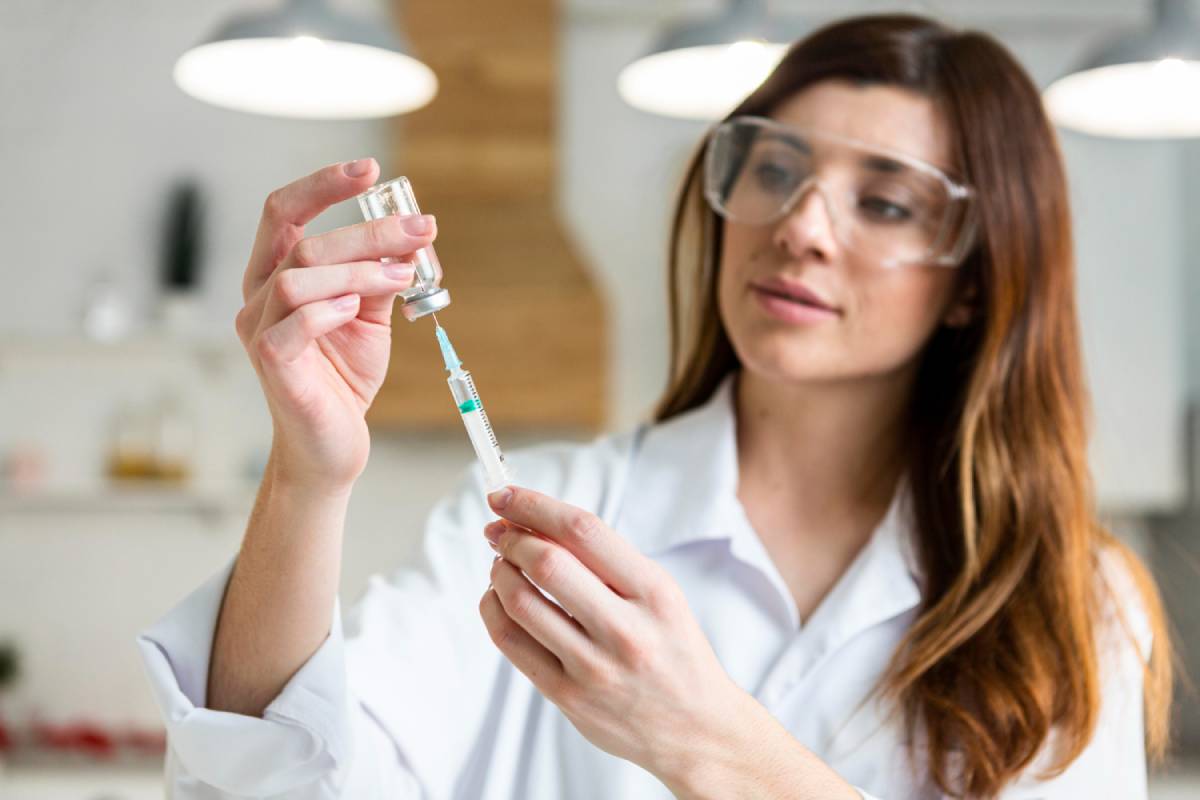
What Are Peptides? A Beginner-Friendly Guide + My Favorites
Peptides are short chains of amino acids, which are the building blocks of proteins. While proteins are long, complex structures made of many amino acids, peptides are smaller fragments—typically made up of 2 to 50 amino acids. They function as signaling molecules, meaning they tell cells what to do and when to do it. From regulating hormones and supporting immune function to influencing skin health and recovery, peptides are involved in countless biological processes.
Because of their targeted signaling abilities, peptides have gained attention in wellness, research, and performance communities. Scientists study them for their potential roles in tissue repair, inflammation modulation, immune support, and even pigmentation. (Most of the original research started in Russia.) While there is ongoing research regarding most of the peptides, interest continues to grow in terms of reducing or replacing medications and addressing issues that are classically difficult to treat.
Here are a few of my favorites and why they stand out (note this is not a recommendation nor is it medical advice- consult your medical professional):
BPC-157 Short for "Body Protection Compound," BPC-157 is a peptide derived from a protein found in the stomach. One of the most commonly prescribed peptides, it is often discussed in research circles for its potential role in supporting tissue repair and recovery. Many people are interested in it for its association with tendon, ligament, and gut support in experimental models.
KPV KPV is a smaller fragment derived from the peptide alpha-MSH. It's commonly studied for its potential anti-inflammatory properties. Researchers have explored its role in calming inflammatory pathways, particularly in gut and skin models. Its smaller size makes it especially interesting from a formulation perspective.
TB-500 (Thymosin Beta-4 fragment) TB-500 is a synthetic version of a naturally occurring peptide called thymosin beta-4. It's often discussed in relation to cellular migration and tissue regeneration in research settings. Scientists have studied its potential role in wound healing and muscle recovery processes.
Thymosin Alpha-1 This peptide is best known for its association with immune system modulation. It has been researched for its ability to support T-cell function and overall immune response. It has been studied in clinical settings for recurrent infections.
Melanotan 2 Melanotan 2 is a synthetic analog of alpha-MSH and is known for its role in stimulating melanin production in research models. It has gained popularity for its pigmentation-related effects, though it remains a research compound in many places.
Peptides are complex biological compounds, and research is ongoing! While I have not seen severe side effects at this point, I always warn patients that issues may emerge after some years of use. So we will keep a sharp eye out, as always.
Anyone interested in peptides should prioritize education, quality sources vs online outlets, and professional medical guidance.
Living your best life is about feeling good inside and out and I’m here to provide the care you need to make that a reality. You and I begin with an in-depth initial appointment.