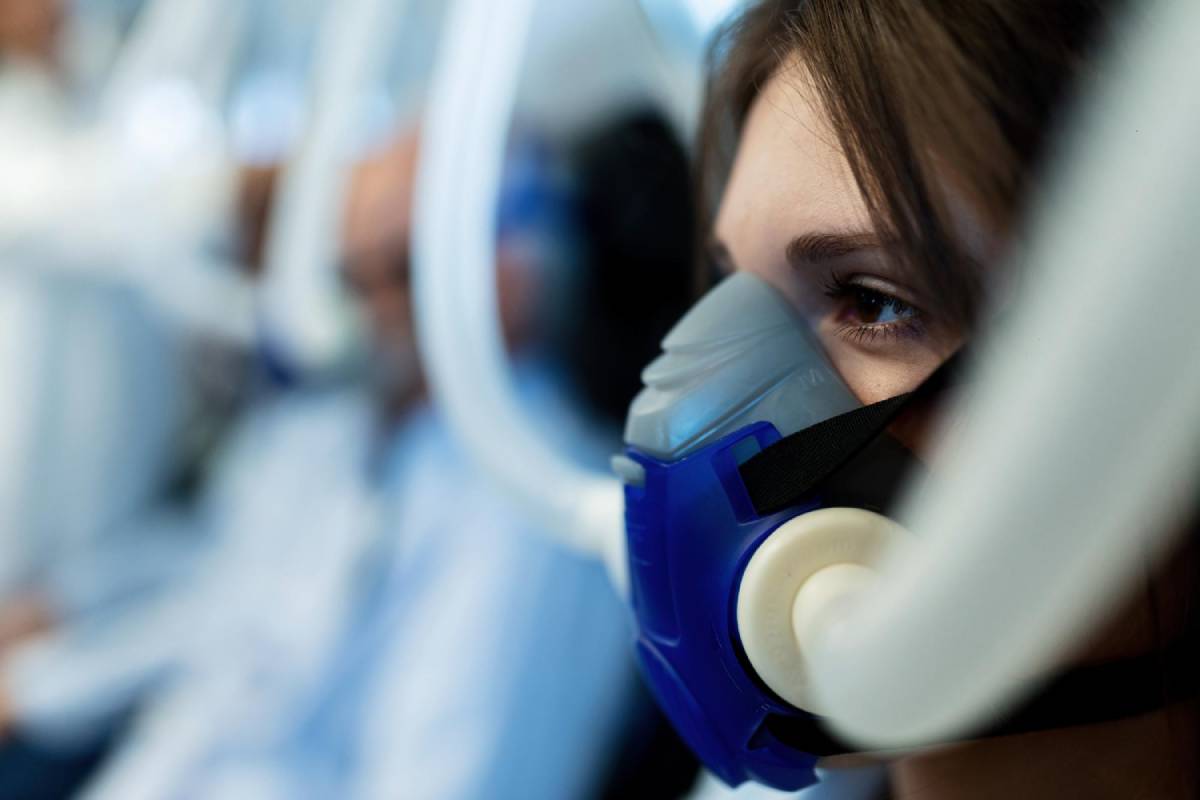
It’s commonly used in hospitals for stubborn diabetic ulcers, radiation injuries, and certain surgical wounds that refuse to close. Oxygen is critical for tissue repair. It helps build new blood vessels, supports collagen production, and enhances the function of white blood cells that fight infection. In situations where circulation is compromised, the extra boost can make a real difference.
Athletes have also taken interest. While research is still evolving, many use hyperbaric sessions to support recovery after intense training or injury. The theory is that oxygen‑rich blood may reduce inflammation and speed the repair of micro‑damage in muscles and connective tissue. Some report feeling less soreness and faster bounce‑back times. Whether it’s a magic bullet is up for debate, but the recovery angle has certainly caught attention.
There’s also growing conversation around neurological health. Researchers are exploring how hyperbaric oxygen might support recovery after traumatic brain injury, stroke, or even certain cognitive issues. The idea is that oxygen helps awaken “idling” brain cells in areas with reduced blood flow. Some small studies and patient stories suggest improvements in focus, memory, or energy, though more large‑scale research is needed to fully understand who benefits most.
What makes HBOT compelling is that it doesn’t introduce a drug into the body. It simply amplifies something we already depend on: oxygen. Of course, it’s not for everyone. There are risks, including ear pressure injuries and, in rare cases,
oxygen toxicity. It should always be done under proper medical supervision.
Still, the concept is hard to ignore. In a world filled with complex treatments and long ingredient lists, hyperbaric oxygen therapy feels refreshingly elemental. Just pressure, oxygen, and the body’s own ability to heal — sometimes that combination is exactly what’s needed.